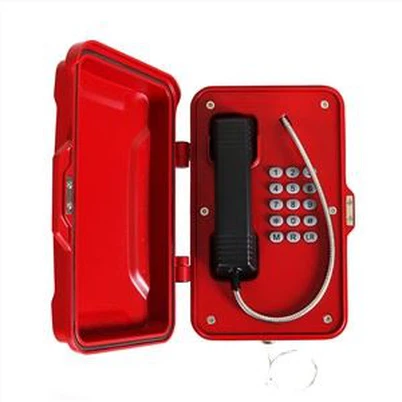
J&R Technology JR104‑SC‑SP‑4G Emergency Telephone Pillars Installed Along Saudi Desert Highway To Enhance Road Safety
Leave a message
In remote desert regions, reliable emergency communication is an essential part of highway safety. Long-distance roads often pass through isolated areas where emergency services, maintenance facilities, and conventional communication infrastructure may be far away.
To address these challenges, J&R Technology successfully deployed JR104-SC-SP-4G Emergency Telephone Pillars along a highway project in Saudi Arabia, providing motorists with direct and reliable access to emergency communication when assistance is needed.

This project demonstrates how 4G wireless emergency communication technology can provide a flexible and efficient solution for highways and other remote transportation environments where conventional wired infrastructure is difficult or costly to deploy.
The Challenge: Emergency Communication in Remote Desert Areas
Saudi Arabia has an extensive highway network connecting major cities, industrial areas, and remote regions. Many highways cross vast desert areas where roadside facilities and emergency services may be located far from the road.
In the event of a:
Vehicle breakdown
Traffic accident
Medical emergency
Tire failure
Vehicle fire
Security incident
rapid access to emergency communication can make a significant difference.
However, deploying traditional wired emergency telephones in remote areas may require extensive cabling, network infrastructure, and installation work. These requirements can increase project costs and make system expansion more difficult.
For this type of environment, a standalone wireless emergency communication solution offers greater deployment flexibility.
The Solution: JR104-SC-SP-4G Emergency Telephone Pillars
To provide reliable roadside emergency communication, J&R Technology supplied its JR104-SC-SP-4G Emergency Telephone Pillars for the Saudi desert highway project.
The solution combines a rugged industrial emergency telephone with a highly visible roadside pillar, creating a dedicated emergency communication point for highway users.
Using 4G wireless communication, the system can operate without traditional telephone lines or network cables, making it particularly suitable for remote highways and areas where wired infrastructure is limited.
The solution can be applied to:
Highways and expressways
Desert roads
Bridges
Tunnels
Transportation facilities
Smart transportation infrastructure
Key Features for Harsh Outdoor Highway Environments
1. 4G Wireless Communication for Flexible Deployment
The JR104-SC-SP-4G uses 4G mobile communication technology to connect emergency calls without requiring conventional wired telephone or network infrastructure.
This provides several advantages for remote highway projects:
Faster and more flexible installation
Reduced dependence on wired infrastructure
Flexible deployment in remote locations
Easier expansion of emergency communication coverage
Lower installation complexity
For long-distance desert highways, this wireless architecture provides an effective way to establish emergency communication points across isolated sections of road.
2. Rugged Construction for Harsh Outdoor Conditions
Desert highways can expose communication equipment to demanding environmental conditions, including:
High temperatures
Strong sunlight
Sand and dust
Wind
Vibration
Significant day-night temperature changes
The JR104-SC series features a rugged aluminum alloy die-cast enclosure and high-level environmental protection, with configurations supporting IP66/IP67 protection.
This robust construction helps the emergency telephone withstand demanding outdoor conditions while maintaining reliable communication performance.
It also contributes to:
Long-term durability
Reduced maintenance requirements
Stable operation
Improved equipment reliability
3. Simple One-Touch Emergency Communication
In an emergency, communication equipment needs to be easy to understand and operate.
The JR104-SC-SP-4G provides a straightforward emergency communication interface that allows road users to quickly initiate a call to a predefined emergency contact or control center.
Key communication functions include:
Simple emergency call operation
Clear voice communication
High-volume audio output
Noise reduction
Auto-dial capability
Connection to predefined emergency numbers
The simplified operation is particularly valuable on highways, where users may be under stress or unfamiliar with their surroundings.
How Emergency Telephone Pillars Improve Highway Safety
Installing dedicated emergency communication points along remote highways can provide several important benefits.
Faster Access to Assistance
When an incident occurs, motorists can use a roadside emergency telephone to directly contact the designated control center or emergency response team.
This provides a clear communication channel for reporting incidents and requesting assistance.
Greater Safety for Road Users
Highly visible emergency telephone pillars give drivers and passengers a reliable communication option when mobile phones are unavailable, unsuitable, or difficult to use.
Improved Communication Between Highway Teams
Emergency communication points can help connect:
Road users
Highway control centers
Maintenance teams
Emergency response personnel
Transportation authorities
This supports more efficient coordination during accidents, breakdowns, and other roadside incidents.
Support for Intelligent Transportation Systems
Emergency telephone pillars can also form part of a broader Intelligent Transportation System (ITS), contributing to safer and more connected highway infrastructure.
Designed for Remote and Critical Infrastructure
The Saudi desert highway project demonstrates the advantages of combining wireless connectivity, rugged industrial hardware, and dedicated emergency communication infrastructure.
Compared with solutions that depend entirely on wired networks, 4G emergency telephone systems can offer greater flexibility when communication points need to be deployed across long distances or in locations where infrastructure is limited.
This makes the JR104-SC-SP-4G suitable for a wide range of critical outdoor environments, including:
Remote highways
Expressways
Bridges
Tunnels
Ports
Airports
Industrial sites
Mining areas
Other isolated infrastructure projects
J&R Technology: Emergency Communication Solutions for Transportation
With more than 14 years of experience in industrial communication, J&R Technology develops and supplies communication equipment for transportation, industrial, and critical infrastructure applications.
Our emergency communication portfolio includes:
4G Emergency Telephone Pillars
SIP Emergency Telephones
Weatherproof Telephones
Industrial Intercom Systems
Emergency Call Stations
PA/GA Communication Systems
Audio-Visual Emergency Communication Equipment
These solutions are designed to help customers establish reliable, durable, and easily deployable communication systems in challenging environments.
Conclusion
The successful deployment of JR104-SC-SP-4G Emergency Telephone Pillars on a Saudi desert highway demonstrates how wireless emergency communication can help address the challenges of remote transportation infrastructure.
By combining 4G connectivity, rugged outdoor construction, high environmental protection, and simple emergency call operation, the solution provides highway users with a reliable communication channel when immediate assistance is required.
As transportation infrastructure continues to expand into remote and challenging environments, J&R Technology remains committed to providing reliable emergency communication solutions that support safer roads, faster emergency response, and smarter transportation infrastructure.